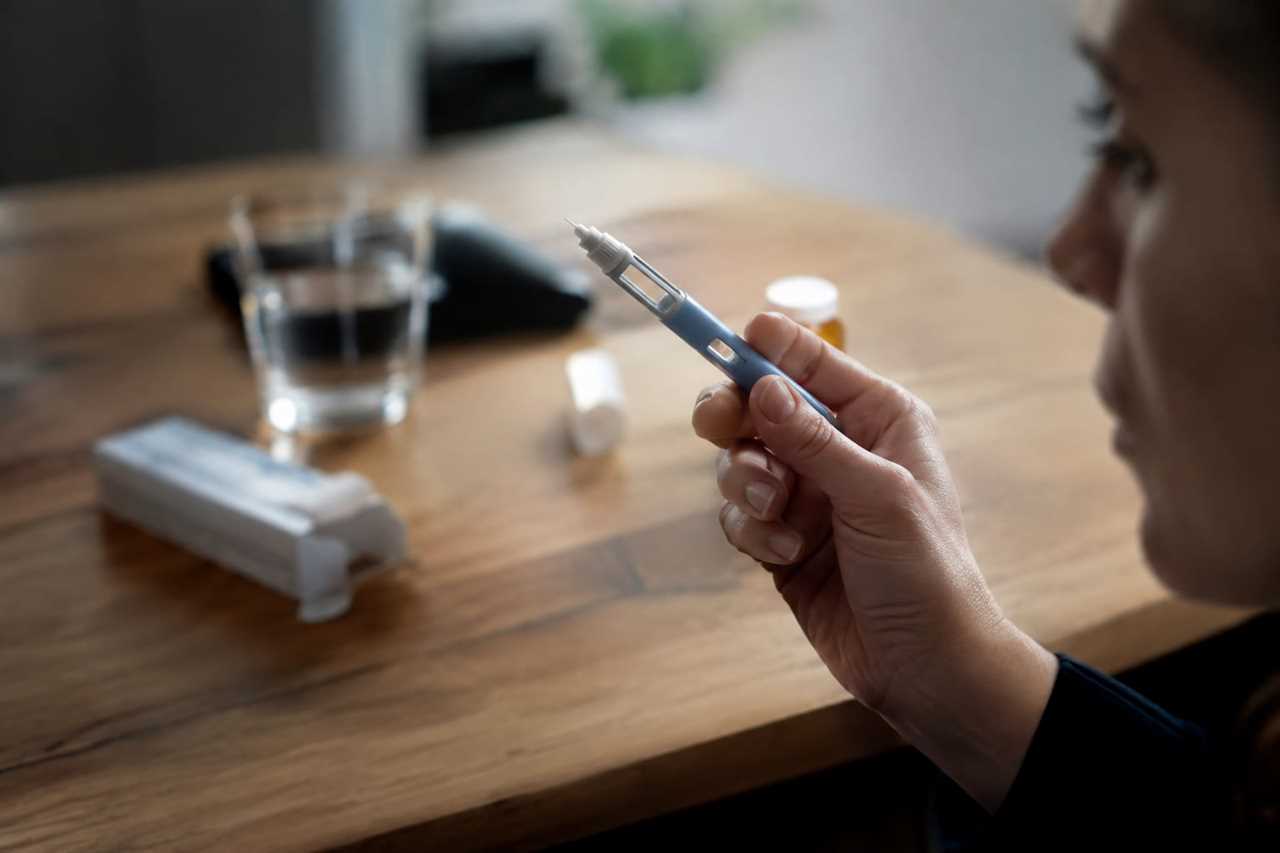
Researchers are now asking whether Ozempic and similar drugs could help treat drug and alcohol addiction, a question that will be discussed at the National Drug and Alcohol Research Centre's annual research symposium this Friday.
What this means for you
You have probably heard of Ozempic as a weight-loss drug. But its story is more complex, and this site exists to explain that story in plain terms, without sending you to a dictionary.
Ozempic and similar drugs, sold under brand names like Trulicity, Wegovy and Mounjaro, were first made to treat diabetes. Doctors noticed they also changed how people felt about food, cutting cravings and quieting what some call "food noise," the constant mental chatter about eating. That side effect made these drugs hugely popular for weight loss.
Here is the science in simple terms
- Your gut naturally makes a hormone called GLP-1, short for glucagon-like peptide-1.
- This hormone controls digestion, blood sugar and appetite. It slows how fast food leaves your stomach and tells your brain you are full.
- Drugs like Ozempic copy this hormone. They are called GLP-1 receptor agonists, which just means they trigger the same signals in your body, but for much longer.
- Because they act longer, they suppress appetite and slow digestion more than your body would on its own.
Now researchers want to know if this same appetite-calming effect could also calm cravings for drugs or alcohol. That is the idea being explored at the NDARC symposium.
The source article does not say whether any studies have proven this works, or what the results might be. It also does not name specific researchers or give a timeline for when answers might come. What it does say is that the question has divided researchers, meaning some see promise and others are skeptical, though the article does not explain each side's reasoning in detail.
This matters because addiction affects millions of families, and any new tool to fight it is worth watching closely. At the same time, using a diabetes and weight-loss drug for a totally different purpose is a big step, and it takes real evidence before doctors can recommend it safely.
If you or someone you know struggles with addiction, do not wait on unproven treatments. Talk to a doctor about what options already work today, and keep an eye on trusted health news for real updates on this research as it develops.
 RelationshipsHealthWorkMoneyParentingRetirementPrivacy PolicyTerms And Conditions