
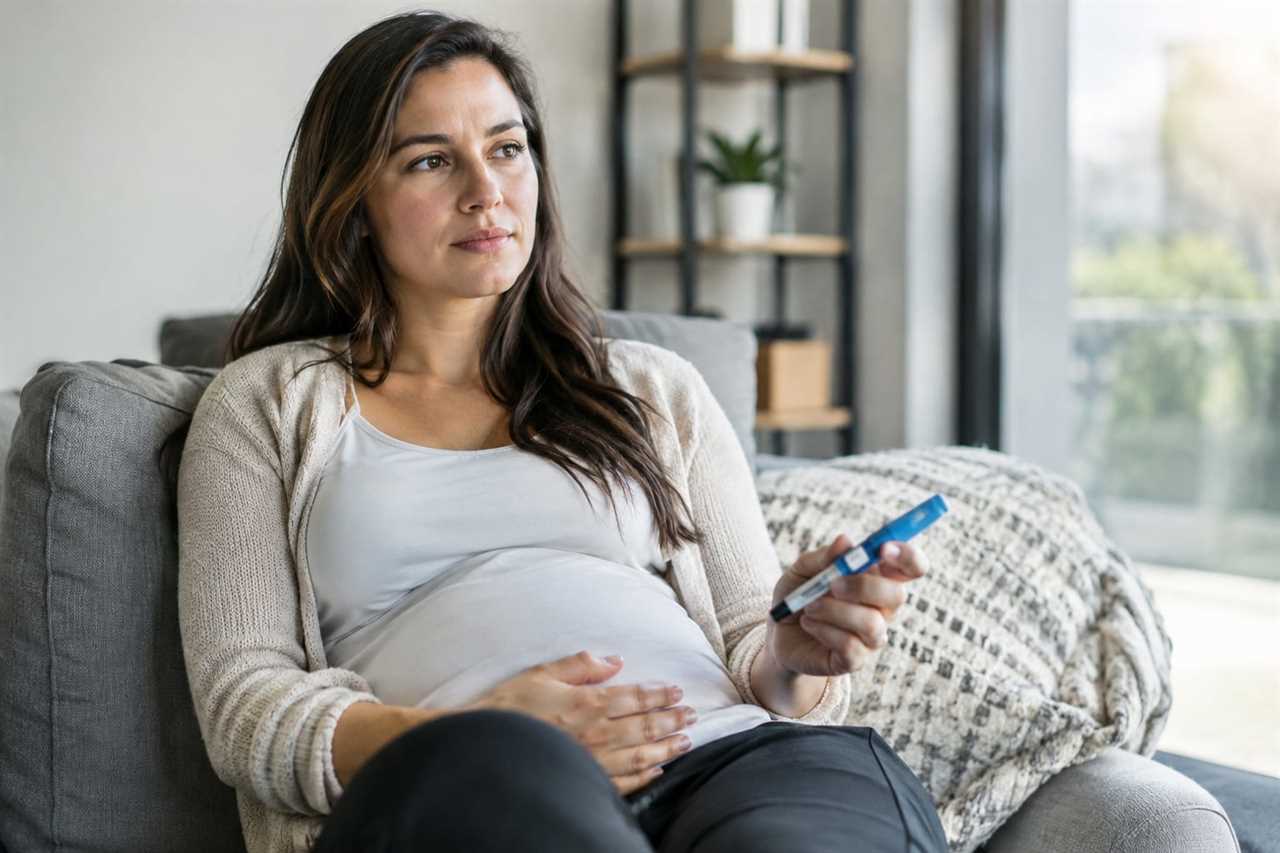
A large new review found no clear link between early pregnancy exposure to GLP-1 drugs like Ozempic and Mounjaro and serious problems such as preterm birth or stillbirth, but experts say this does not mean the drugs are safe to use while pregnant.
What happened
Researchers pooled data from seven studies covering more than 43,000 women who took GLP-1 medicines, mostly during their first trimester. The review, published Sept. 29 in The Lancet Obstetrics, Gynaecology & Women's Health and presented at a diabetes meeting in Milan, found no significant link between exposure and preterm birth, stillbirth, newborn death, preeclampsia, or babies born small for their age. Most of the women studied had type 2 diabetes, not weight loss patients, so the findings may not fully apply to everyone using these drugs.
One result did stand out. Early pregnancy loss was 31% more common in exposed women across two studies with over 41,000 participants. But those studies lumped together miscarriages and planned terminations, so the research team says this number needs more study before anyone draws conclusions.
Professor Claire Meek of the Leicester Diabetes Research Centre led the work. She said millions of women now use these drugs, but there are still big unanswered questions about how they affect pregnancy and child health. Dr. Nerys Astbury of the University of Oxford added a caution of her own. She said the evidence is not strong enough to say these drugs are safe, only that it is unclear if they raise or lower risk.
GLP-1 drugs are a type of medicine that helps control blood sugar and appetite. You may know them by brand names like Ozempic, Wegovy, Mounjaro or Zepbound.
What this means for you
If you are pregnant or trying to become pregnant while using one of these drugs, here is what to know:
- Call your prescriber right away if you find out you're pregnant. Keep track of the date of your last dose.
- Do not stop or adjust any diabetes medicine on your own. You'll need a plan with your doctor to manage your blood sugar safely.
- If you plan to get pregnant, drug labels say to stop semaglutide drugs like Ozempic and Wegovy at least two months ahead of time.
- If you take Mounjaro or Zepbound and use birth control pills, ask about switching methods. Tirzepatide can make the pill less effective for four weeks after starting or increasing your dose.
- Ask your insurer or a family planning clinic what non-oral birth control options are covered if you need to switch.
This site exists to explain health news like this in plain language, for people who are busy but want to understand what matters. You shouldn't need a medical degree, or a dictionary, to make sense of your own health choices.
Researchers say more studies are needed that follow women from before pregnancy through breastfeeding. Until then, this review offers some reassurance, but it is not a green light to keep taking these drugs during pregnancy.
Next step: If you take a GLP-1 drug and think you might be pregnant, call your prescriber today and ask for next steps.