


New research on mice suggests that certain fatty diets can help a popular cancer treatment work better, and the reason may be tiny gut bacteria rather than body weight itself.
Cancer treatment does not work the same way for everyone. Two people can get the exact same therapy and have very different results. A new study points to something as simple as diet as one reason why.
This site exists to explain science news like this in plain words, so you do not need a medical degree or a dictionary to keep up. Here is what the study found and why it matters.
What happened
Researchers studied a type of cancer treatment called an immune checkpoint inhibitor. Your immune system has natural brakes that stop it from attacking your own body too hard. Cancer cells can hide behind those brakes. Checkpoint inhibitors release the brakes so the immune system can find and attack tumor cells.
This treatment works great for some patients and barely helps others. Doctors have noticed an odd pattern for years. People with a higher body mass index, or BMI, sometimes respond better to these treatments, even though carrying extra weight is usually linked to higher cancer risk and worse outcomes overall. Scientists call this strange pattern the "obesity paradox."
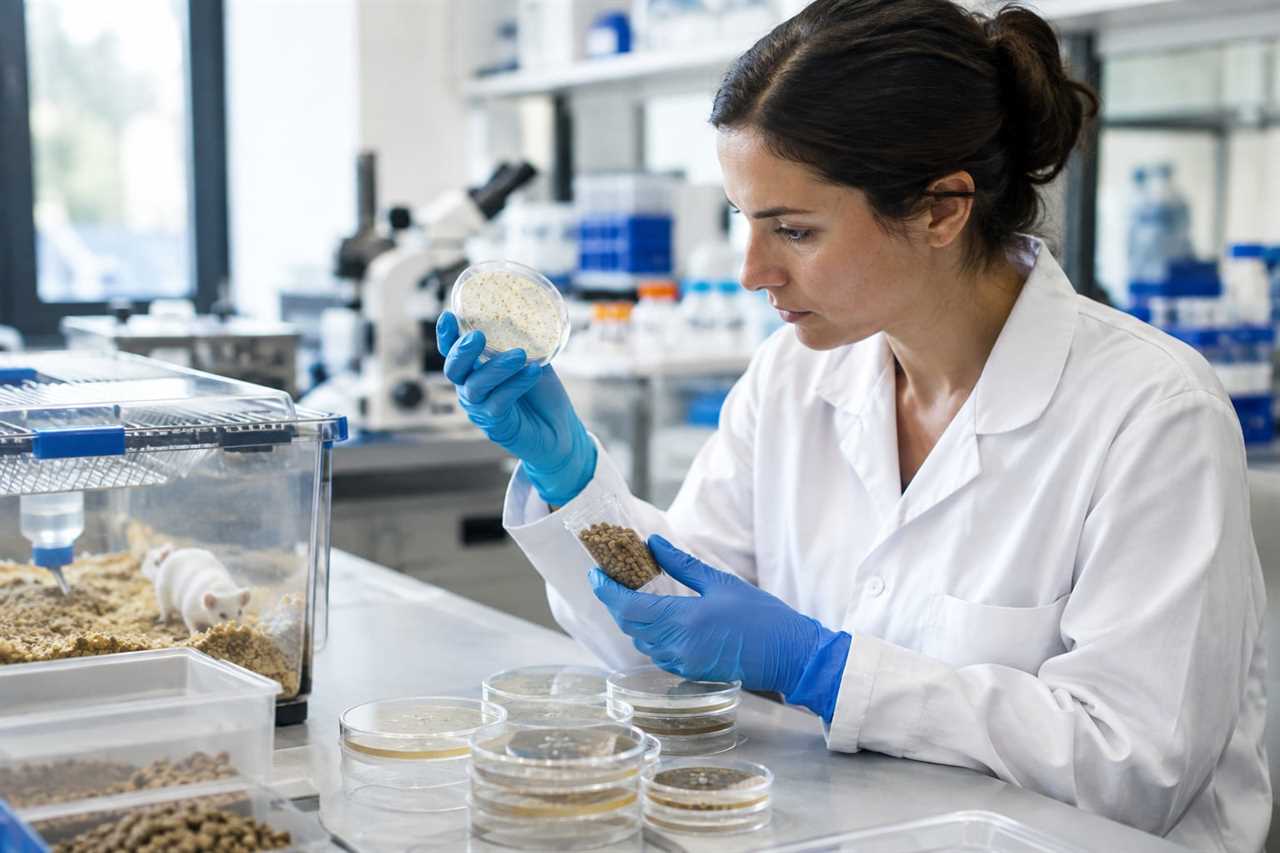
A team led by Daniela Quail at McGill University, along with researchers Logan Walsh, Bertrand Routy, and Arielle Elkrief, wanted to know why. They tested 12 different diets in mice to see how diet affected the way the animals responded to checkpoint inhibitor treatment. The results were published in the journal Nature.
The team found that some diets known for causing weight gain actually helped the treatment work better in mice. This happened even after the mice were on the diets for a short time, not long enough to cause major weight gain. That told the researchers that body fat alone was not the real explanation.
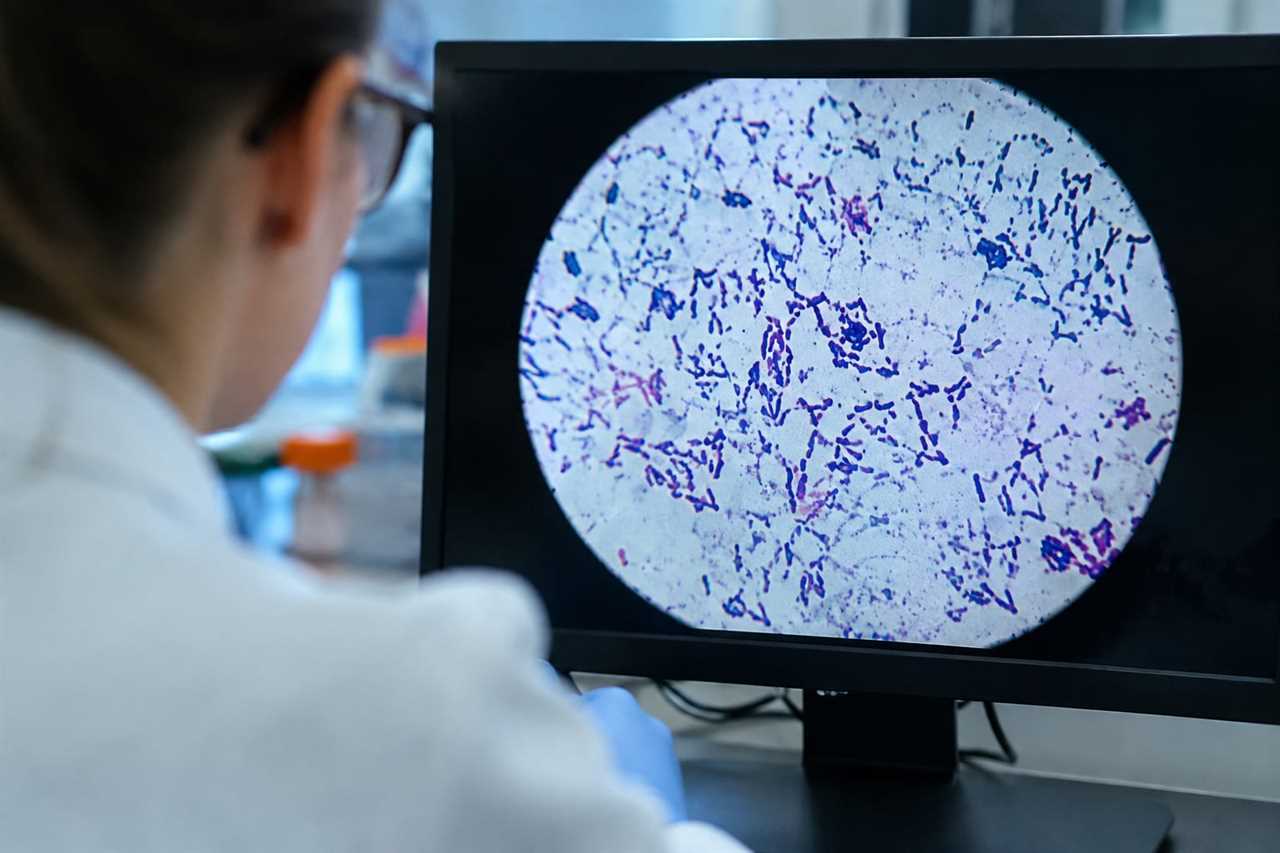
Instead, the answer seems to involve the gut microbiome. That is the name for the trillions of tiny bacteria living in your digestive system. These bacteria feed on what you eat, and what you feed them can change how they behave, including how they affect your immune system.
Quail, who works at the Rosalind & Morris Goodman Cancer Institute, said there is a close relationship between the bacteria in your gut and the food you eat. She explained that even if you have the right kind of gut bacteria, the food you eat to feed them can decide whether a treatment works for you or not.
In other words, it may not be enough to have good bacteria in your gut. What you eat to keep those bacteria alive and active might matter just as much.
What this means for you
This research is still early and was done in mice, not people. But it could change how scientists think about cancer treatment down the road.
- Body weight by itself may not explain who responds well to immune therapy. The food someone eats and how it affects their gut bacteria may be the real driver.
- Diet and gut bacteria seem to work as a team. The same bacteria can act differently depending on what they are fed.
- This does not mean eating unhealthy food is good for you. Quail herself said the findings do not support a simple message about what to eat. The relationship between diet and cancer treatment is more complicated than that.
The study also raises new questions for cancer researchers to explore, like whether specific diets could someday be used alongside immune therapy to boost its effects. That kind of answer is still a long way off and will need more research in people, not just mice.
If you are undergoing cancer treatment or supporting someone who is, do not change your diet based on this study alone. Talk to your doctor about what research like this means for your specific situation, and keep an eye on future studies as scientists learn more about the link between food, gut bacteria, and cancer treatment.
Missed the last one? Pregnant on Ozempic or Mounjaro? New Study Brings Some Comfort, But Doctors Still Say Stop Before You Try